
Meet the Giants
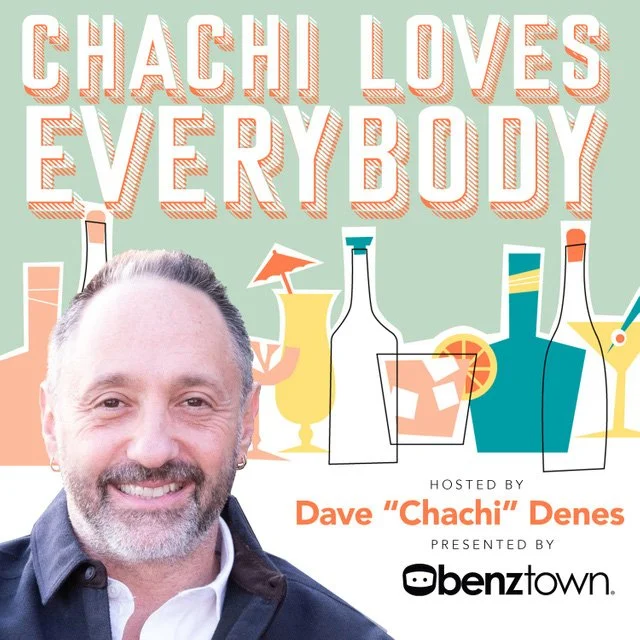
Benztown President and LABF Board Member Chachi Denes interviews Giants for his Apple podcast.
AN LABF PRESENTATION
100 Years of Broadcast News: Challenges Met, Challenges Anew

AN LABF PRESENTATION
LABF Radio & Podcast Power Sessions
Created by LABF Board Member and Benztown President Dave “Chachi” Denes, the three-part educational webinar series covers programming, marketing, sales and entrepreneurship in radio and podcasting.
The wide-ranging series, which is available to students everywhere on YouTube, was produced with the support of the LABF, the Broadcast Education Association and the Library of American Broadcasting.
Topics and presenters included in the series:
Programming with legendary programming consultant Mike McVay
Syndication with Creator and Host of Sunday Night Slow Jams, R Dub!
Promotion and marketing with Benztown Marketing Director Susan Aksu-Magarian
Sales with Beasley Media Group Chief Revenue Officer Tina Murley
Branding with the founder of Yamanair, Yaman Coskun
Commercial production with Benztown West Coast Director of Commercial Production Darren Silva and East Coast Director of Commercial Production MJ Bloch
Podcasting with Spotify’s Head of Podcast Production Ron Shapiro
Imaging with Thomas Green
Composition with Shane Drasin
Radio station ownership with Emmis CEO Jeff Smulyan.
In addition, University of Maryland’s Mass Media & Culture/Special Collection Reference Specialist Mike Henry shares historic broadcasting moments that are featured in the Library of American Broadcasting.
SAVE THAT TAPE!
Co-produced by the LABF and the National Association of Broadcasters, Preserving Broadcast History was recorded at NAB Studios last year with LABF Co-chairman Jack Goodman and NAB’s April Carty-Sipp hosting. In the 30-minute video, Dr. Laura Schnitker joins University of Maryland Libraries colleague Mike Henry in encouraging stations and networks to save their old film, tapes, disks and printed matter for documentarians, podcasters, scholars, biographers, historians, students, genealogists, producers and others. Institutions like UMD are ready to help, they say. Stations often fail to recognize the value of the material that piles up in their storage rooms, says Schnitker, “Once a station changes format or management, which happens all the time, they’ll just chuck everything into a dumpster.”
BUT WHO OWNS THE TAPE?
A 2023 panel co-produced by LABF and the National Association of Broadcasters digs into into legal questions around donating archival broadcast content, particularly those related to separating intellectual property rights from those associated with possessing the physical asset itself. The panel (l-r): then LABF Co-Chair Jack Goodman, who moderated the session; Laura Schnitker, curator, mass media and culture, special collections at the University of Maryland; and copyright attorneys Eric Schwartz and Ari Meltzer.
Topics covered include:
Who owns the copyright to broadcast content?
If the content was trashed or deleted by the producing station, can they still claim ownership after the content is recovered by someone else?
What if the producing station no longer exists?
What are the risks of using broadcast content in film, television, radio and podcasts without legal permission?